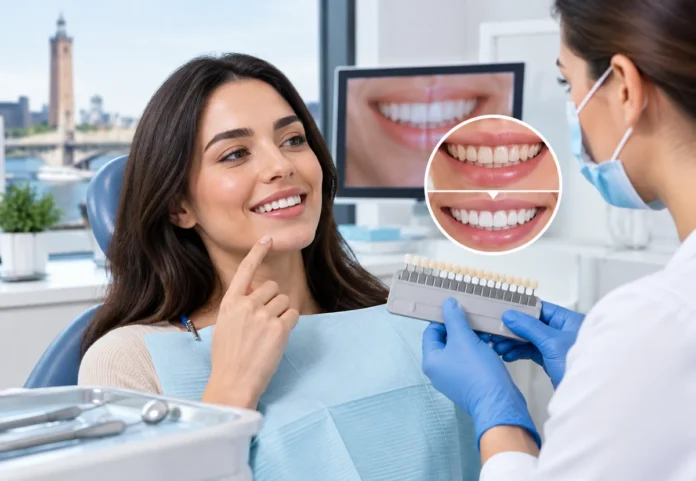


Thinking about improving a chipped tooth or closing a small gap in your smile? Composite Bonding Middlesbrough has become a popular starting point for people who want a quick cosmetic change without committing to something more invasive. Before booking a consultation, though, it helps to understand what the treatment actually involves, who it suits, and what to expect once it’s done.
This article walks through the practical side of composite bonding, from how it works to how long it tends to last, so you can go into your appointment with realistic expectations.
What Composite Bonding Actually Involves
Composite bonding is a cosmetic dental treatment that uses a tooth-coloured resin material, often called dental composite, to reshape or repair a tooth. The dentist applies the material directly to the tooth surface, molds it into the desired shape, and then hardens it using a special curing light.
Because the composite is shaped and sculpted by hand, each restoration is matched to the colour and contour of the surrounding teeth. This is one of the reasons Composite Bonding Middlesbrough is often chosen by people who want a natural-looking result rather than an obviously “done” smile.
Problems Composite Bonding Can Help With
People usually turn to bonding for smaller, cosmetic concerns rather than major dental problems. Common reasons patients ask about Composite Bonding Middlesbrough include:
- Small chips or cracks in a tooth
- Minor gaps between teeth
- Slightly uneven or misshapen teeth
- Superficial staining or discolouration
- Teeth that look a little worn or short
For anything more serious, such as extensive decay or significant structural damage, a dentist is likely to recommend a different type of treatment. Composite bonding works best when the tooth underneath is already healthy.
Is Everyone A Good Candidate?
Not automatically. Suitability depends on the condition of your teeth and gums. A dentist will usually carry out an oral examination first, looking at the severity of the issue and what you’re hoping to achieve, before confirming whether bonding is the right option.
Healthy gums and reasonably sound teeth are generally needed for the treatment to work well. If there are more complex problems, such as significant misalignment, heavy grinding, or advanced gum disease, these may need to be addressed separately before cosmetic work is considered.
How The Treatment Usually Unfolds
Most patients start with an initial consultation, where the dentist examines the mouth and may use X-rays or digital imaging to plan the treatment properly. From there, the general steps tend to look like this:
- The tooth surface is prepared, usually with little or no removal of natural enamel
- A bonding agent is applied to help the composite stick securely
- The tooth-coloured resin is added in layers and shaped by hand
- A curing light hardens each layer as it’s applied
- The finished result is polished to blend in with the rest of the smile
Because the material is applied directly to the tooth rather than made in a lab, many patients find the whole process can be completed in a single appointment, though this can vary depending on how many teeth are being treated.
Why Some Patients Prefer It To Other Options
One of the main appeals of Composite Bonding Middlesbrough is how little it changes about the natural tooth. Unlike some restorative treatments, bonding typically requires little to no enamel removal, which means the procedure is fairly conservative and reversible in many cases.
It also tends to be quicker than treatments involving lab-made restorations, since there’s usually no wait for a separate piece to be manufactured and fitted. For people with busy schedules, that can make it a convenient option to fit around work or family life.
Composite Bonding Compared With Dental Veneers
It’s worth understanding how bonding differs from veneers, since the two are often discussed together.
| Composite bonding | Dental veneers |
| Resin applied and shaped directly on the tooth | Thin shells made outside the practice and then fitted |
| Little to no enamel removal in most cases | Usually needs some tooth preparation |
| Often completed in one visit | Generally needs at least two appointments |
| Easier to repair or touch up | Repairs are more limited once fitted |
| Shorter expected lifespan | Can last longer with good care |
Veneers are sometimes chosen when a patient wants a more extensive or longer-lasting change, while composite bonding suits smaller corrections. Which one makes sense really comes down to what you want to fix and how much change you’re after, so it’s worth discussing both during a consultation.
How Long Composite Bonding Tends To Last
With good oral hygiene and sensible care, composite bonding can last somewhere in the region of five to ten years, although this varies from person to person. Several everyday habits play a part in how long it holds up, including:
- How well you brush and floss
- Your diet, particularly sugary or acidic foods
- Whether you smoke or drink a lot of tea, coffee, or red wine
- Whether you grind or clench your teeth
- How often you bite hard objects, like pens or fingernails
None of these factors guarantee a particular lifespan on their own, but together they have a real effect on how long the bonding stays looking good.
Looking After Your Teeth Afterwards
General aftercare advice for composite bonding tends to focus on protecting the material in the days right after treatment and maintaining it long term. This usually includes:
- Brushing twice a day with a soft brush and fluoride toothpaste
- Avoiding very hard or crunchy foods for the first day or two
- Cutting back on staining drinks like coffee, tea, and red wine shortly after treatment
- Attending regular dental check-ups so any wear or staining can be picked up early
Your dentist will usually go through specific aftercare instructions with you, since these can depend on exactly which teeth were treated and how extensive the work was.
When Composite Bonding Might Not Be The Right Fit
Bonding isn’t always the best solution. It may be less suitable if you have:
- Significant tooth decay that needs treating first
- Advanced gum disease
- A heavy bite or severe teeth grinding
- Extensive fractures or structural damage to the tooth
In these situations, a dentist might suggest an alternative, such as veneers, crowns, or orthodontic treatment, depending on what’s actually causing the problem. A proper assessment is the only reliable way to know which route makes sense for your teeth.
Getting Started With A Consultation
If you’re considering Composite Bonding Middlesbrough, the usual first step is a consultation where a dentist examines your teeth, listens to what you’d like to change, and explains whether bonding is a good match for your situation. This is also the point where any questions about the process, timeline, or aftercare can be answered properly, based on your own teeth rather than general information alone.
Composite bonding can be a straightforward way to smooth out small imperfections and freshen up a smile, but like any dental treatment, it works best when it’s the right fit for the problem you’re trying to solve. Speaking to a dentist directly is the best way to find that out.