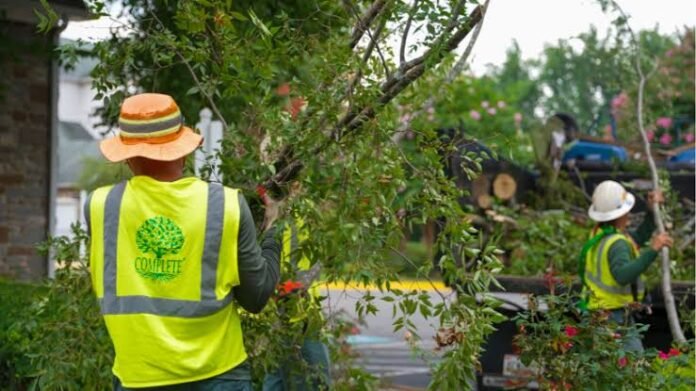


Trees can make commercial premises more welcoming, soften large areas of paving and provide shade for staff and visitors. They are also living structures that change with the seasons, respond to their surroundings and sometimes require specialist attention. For offices, retail parks, managed residential developments and other busy sites, tree maintenance is therefore more than a question of appearance. It is part of keeping outdoor spaces usable and managing foreseeable risks responsibly.
Organisations considering commercial tree surgery Loughton services should begin with an assessment of their site rather than a request for indiscriminate cutting. Different trees may need different treatments, and some may require no immediate work at all. A proportionate plan can prioritise areas used by pedestrians and vehicles while protecting the long-term value of healthy trees.
Understand How a Commercial Site Is Used
The first step is to map how people move through the property. Entrances, delivery bays, car parks, footpaths, play areas and outdoor seating all have different patterns of use. A branch that causes little concern in a quiet landscaped corner may need closer attention where vehicles regularly pass beneath it. The likelihood of someone encountering a hazard is relevant when deciding what to inspect and when.
Site managers should also consider maintenance access, lighting, drainage and nearby buildings. Tree roots may interact with surfaces and services, while low branches can obstruct signs or access routes. These observations help establish clear objectives before a contractor recommends specific work.
Use Inspections to Guide Decisions
A competent tree inspection considers visible condition, structure and the surrounding environment. Signs such as dead branches, cracks, fungal growth or recent changes in the tree’s position may warrant further investigation. However, the presence of an unusual feature does not automatically mean the tree is unsafe. The significance depends on its location, severity and the species involved.
Routine observations by trained site staff can complement periodic specialist assessments, particularly after severe weather or changes to nearby ground conditions. Where concerns are identified, an appropriately qualified arboricultural professional can advise on whether monitoring, further investigation or remedial work is justified. Records should explain the basis for decisions rather than simply stating that a tree passed or failed.
Choose the Right Work for Each Tree
Commercial tree work may involve selective pruning, deadwood removal, clearance around routes or more substantial intervention when supported by an assessment. Crown lifting can improve space beneath lower branches, while targeted reductions may address a particular conflict with infrastructure. Removing a tree should generally be considered in the context of its condition, the site constraints and realistic alternatives.
Heavy pruning undertaken solely for a tidier appearance can damage structure and encourage undesirable regrowth. Good arboricultural practice seeks to retain healthy trees where feasible and to avoid unnecessary wounds. A contractor should explain the proposed technique, its purpose and the expected effect on the tree’s future development.
Consider Legal Protections and Wildlife
Some trees are protected by Tree Preservation Orders or are located within conservation areas. In and around Loughton, the relevant local planning authority should be consulted where protection status is uncertain. Consent or advance notice may be required before certain work proceeds, and managers should not assume that commercial ownership creates an exemption.
Wildlife protections also matter. Active bird nests and protected species can affect scheduling and working methods. Contractors should assess the circumstances and comply with applicable environmental requirements. Allowing enough time for checks and permissions can prevent last-minute disruption to a maintenance programme.
Coordinate Tree Work With Business Operations
On a busy property, even modest pruning may require temporary changes to access. Delivery routes, parking spaces and pedestrian walkways may need to be managed while work takes place. Contractors should discuss equipment requirements, safe working areas, branch handling and waste removal before arriving on site.
The most suitable time for a job depends on tree condition, operational constraints and any ecological considerations. Out-of-hours working may reduce disruption in some locations, but it is not automatically appropriate. Clear communication with tenants, staff and neighbouring occupiers can help everyone understand the scope and timing of the work.
Compare Contractors on More Than Price
A low quotation may not describe the same scope of work as a more detailed proposal. Site managers should ask whether the contractor has appropriate qualifications, insurance and experience with comparable properties. It is useful to clarify how access will be managed, whether arisings will be removed and what happens if additional defects are discovered.
When arranging tree care Loughton businesses should request a written specification identifying the trees involved and the intended treatment. A clear document makes it easier to compare quotations and check that completed work matches the agreed plan. It also provides a useful record for future maintenance decisions.
Protect Roots During Other Site Projects
Trees may be affected by construction, utility work and landscaping even when no branches are cut. Excavation, soil compaction, changes in drainage and storage of heavy materials can damage roots or alter growing conditions. These effects may appear gradually, making the original cause difficult to recognise later.
Before resurfacing a car park or installing new services, managers should identify nearby trees and seek advice on protecting their rooting areas. Adjusting the design or construction method early can be less disruptive than dealing with decline after the project is complete. Coordination between facilities teams, contractors and arboricultural specialists is especially valuable on multi-use sites.
Plan for Severe Weather Without Overreacting
High winds and heavy rain can draw attention to the risks associated with trees. Site managers should have a practical process for reporting fallen branches, restricting access to affected areas and arranging appropriate inspections. Emergency work may be necessary when there is an immediate hazard, but not every tree exposed to a storm requires substantial pruning afterwards.
A measured response distinguishes urgent concerns from routine maintenance. Keeping current site plans and contact details for competent contractors can make decisions faster when conditions change. Staff should know whom to notify rather than attempting hazardous tree work themselves.
Keep Useful Records
A maintenance record can include tree locations, inspection dates, significant findings, completed work and recommended follow-up actions. Photographs may help document changes over time. Records are most valuable when they are clear enough for another manager or contractor to understand what was observed and why a decision was made.
The level of detail should reflect the site and its risks. A small office garden may need a simpler system than a large estate with hundreds of trees. What matters is that responsibilities are defined and important recommendations are not lost when staff or service providers change.
Think Beyond Immediate Maintenance
Healthy trees contribute to the character and environmental quality of commercial landscapes. Their benefits can be reduced when sites leave too little space for roots, repeatedly compact the soil or choose unsuitable species for constrained planting areas. Long-term planning should consider future growth, available space and realistic maintenance needs.
Replacement planting may be appropriate where a tree must be removed, subject to site conditions and any legal obligations. Selecting species and locations carefully can help avoid repeating conflicts with buildings or access routes. A balanced strategy protects existing assets while preparing for the future.
Create a Proportionate Maintenance Programme
A sound commercial tree programme starts with understanding the site, assessing the trees and setting priorities based on evidence. It combines appropriate inspections with targeted work, clear contractor specifications and attention to legal and ecological responsibilities. That approach can help property managers use their budgets more effectively without sacrificing the benefits of mature trees.
For organisations in Loughton, the objective should be a landscape that remains safe to use, practical to maintain and attractive over time. Thoughtful planning and competent arboricultural advice are more reliable than reactive cutting whenever a branch becomes inconvenient.