

The Arctic doesn’t run on a single calendar. Depending on whether you want to see polar bears hunting on sea ice, midnight sun lighting up fjords at 2 a.m., or the northern lights dancing over snow-covered tundra, your ideal travel window shifts by months. Timing this trip correctly means matching the season to the specific experience you’re after, not just picking a date that sounds warm enough.
Late Spring (April to May) for Ice and Solitude
April and May offer some of the most stable conditions for Arctic travel. The sea ice is still thick enough for snowmobile expeditions and dog sledding, but daylight hours have stretched out considerably, giving you far more time to explore than in the dead of winter. Temperatures in places like Svalbard typically hover between -10°C and 0°C, cold but manageable with proper gear.
This is also a strong window for spotting polar bears, since they’re still hunting seals on the ice before it breaks up. Longyearbyen and other Svalbard settlements see fewer tourists during this stretch compared to peak summer, which means quieter trails and more room to actually enjoy the landscape. If solitude matters to you as much as scenery, late spring delivers both.
Summer (June to August) for Wildlife and Accessibility
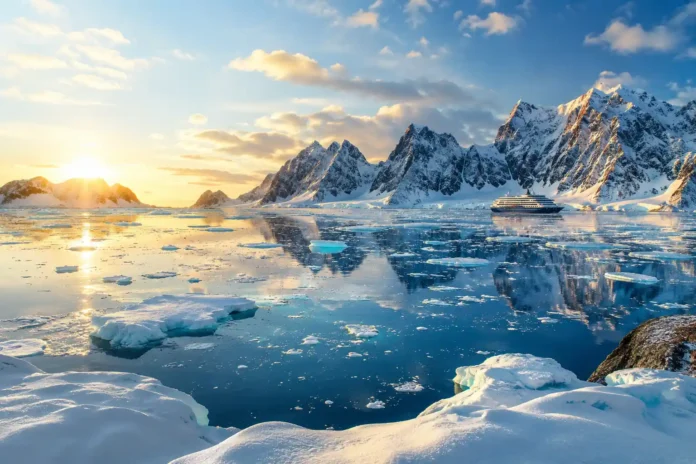
June through August is when most Arctic tour operators run at full capacity, and for good reason. The midnight sun keeps the sky bright around the clock in places above the Arctic Circle, and sea ice retreats enough to open up boat access to fjords, glaciers, and remote coastlines that are locked off the rest of the year.
Wildlife viewing peaks during these months. Walrus haul out on beaches in large numbers, seabird colonies are at their loudest and busiest, and whale sightings become far more frequent as feeding grounds open up. This is also when many of the best Arctic adventure tours operate, since ship-based expeditions to places like Greenland’s east coast or Franz Josef Land depend entirely on ice conditions cooperating.
Temperatures during summer rarely climb much past 5-10°C even in the warmest parts of the region, so this isn’t a beach trip by any stretch. Pack layers regardless of the season, since weather in coastal Arctic zones can shift within a single afternoon.
Early Autumn (September) for Aurora Season Beginning
September marks a transition point. Days start shortening again, which means the aurora borealis becomes visible for the first time since spring. Northern Norway, Iceland, and parts of Arctic Canada start seeing dark enough skies by late September to catch displays, especially in areas with low light pollution.
Sea ice hasn’t yet reformed fully, so boat-based travel is still an option in early September before conditions get too rough. This makes it a decent overlap month if you want a chance at both wildlife activity and early aurora viewing, though you’ll likely need to compromise on intensity for either compared to their true peak seasons.
Autumn storms can also complicate travel logistics, particularly for smaller expedition vessels. Check operator cancellation policies carefully if booking a September departure, since weather-related itinerary changes are common.
Winter (November to February) for the Northern Lights and Extreme Conditions
Deep winter is aurora season at its strongest. Locations like Tromsø, Norway, or Yellowknife in Canada offer some of the highest odds of seeing the lights clearly, thanks to long stretches of darkness and, in many spots, low humidity that keeps skies clear.
This isn’t the season for wildlife safaris or hiking trips. Many settlements reduce services, some tour routes shut down entirely, and temperatures can drop below -30°C in interior regions like parts of Siberia or northern Canada. What winter does offer is a stripped-down, quiet version of the Arctic, with landscapes covered in snow and skies dark enough for genuinely spectacular aurora displays several nights a week during active solar periods.
Cold-weather gear becomes non-negotiable here. Standard winter coats won’t cut it; you’ll need Arctic-rated layers, insulated boots, and accessories designed for prolonged exposure, since even short outdoor excursions in these temperatures carry real risk without the right equipment.
Matching the Season to Your Priorities
Choosing when to visit really comes down to ranking what matters most. Wildlife and accessibility point toward summer. Ice-based activities and fewer crowds favor spring. Aurora chasing pushes you toward either September or the heart of winter.
Rather than picking a single “best” month, think about which two or three experiences you’re least willing to skip. Cross-reference those against the seasonal breakdowns above, then book your travel window accordingly, keeping in mind that Arctic weather rarely follows a strict schedule and flexibility in your itinerary will serve you better than rigid expectations.